Mechanical Engineering
Providing broad-based education and training in Mechanical Engineering and its applications to enable the graduates to meet the rapidly changing needs in industry, academia and society.
Course Features
Department Highlights
To provide broad-based education and training in Mechanical Engineering and its applications to enable the graduates to meet the rapidly changing needs in industry, academia and society.
- To impart high quality technical education and training with an emphasis on human and social values.
- To equip the students to face future technology and global changes.
- To create, explore, and develop innovations in mechanical engineering research.
Establishment
Established in the academic year 2010 with an average annual intake of 30 undergraduate students.
Offerings
Offers B.E. (Mechanical Engineering) and M.E. (Manufacturing Engineering) programs, both affiliated with Anna University Chennai and approved by AICTE. A proposal for a Centre of Research recognized by Anna University is in development.
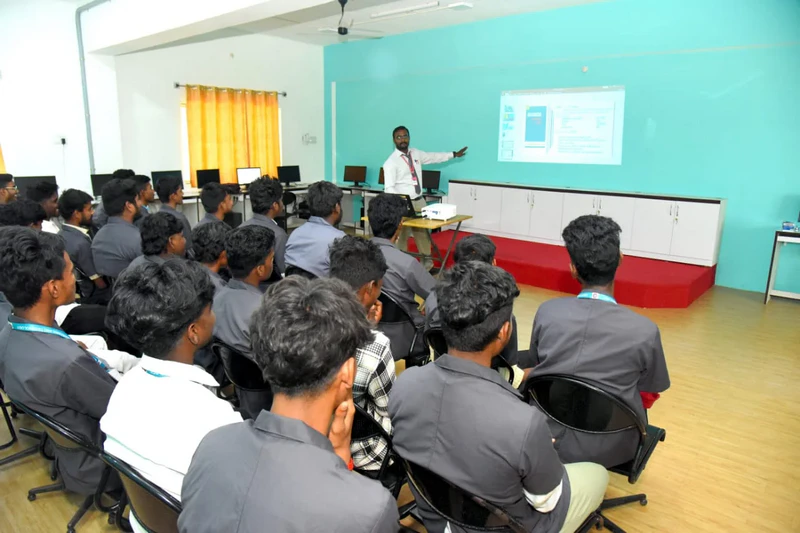
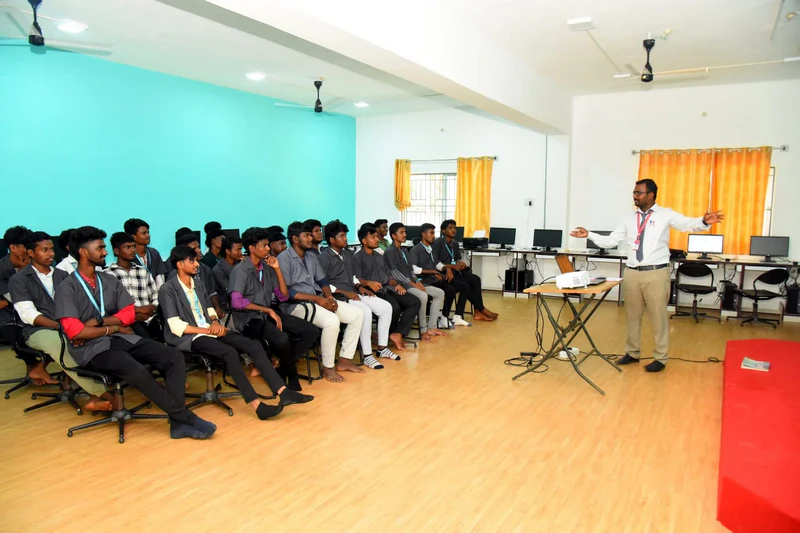
Facilities: Housed in a sprawling wing equipped with modern laboratories, lecture halls, drawing halls, a seminar hall, and a department library. Classrooms and seminar halls utilize OHP/LCD projectors.
Faculty: A dedicated team of qualified post-graduate faculty members (M.E and Ph.D. qualifications) who are actively involved in research and publications.
Curriculum: Aims to provide a comprehensive undergraduate experience covering core topics like fluid and solid mechanics, thermodynamics, CAD, CIM, and more, blending engineering science with humanities.
Focus: Emphasizes real-time projects for final year students (UG and PG), aligning with the motto "to live to learn; learn to serve".
The Mechanical Engineering Department provides the following programs, which are affiliated with Anna University Chennai and approved by the All India Council for Technical Education (AICTE):
B.E. (Bachelor of Engineering) in Mechanical Engineering
M.E. (Master of Engineering) in Manufacturing Engineering
The Program Educational Objectives (PEOs) for the Mechanical Engineering curriculum are designed to ensure graduates are well-rounded professionals prepared for a dynamic field. These objectives are:
- Pre-preparation: To equip students with a strong foundation in mathematical, scientific, and fundamental engineering principles.
- Core Competence: To prepare students to adapt to rapid technological changes using core Mechanical Engineering knowledge.
- Breadth: To enable students to develop and apply their knowledge and skills across various relevant disciplines.
- Professionalism: To instill essential soft skills, including effective communication, strong ethical values, and the ability to work collaboratively within a team environment.
- Learning Environment: To cultivate self-learning abilities in students, empowering them to continuously strengthen their knowledge and skills throughout their careers.
The Program Outcomes (POs) and Program Specific Outcomes (PSOs) define the capabilities that graduates of the Mechanical Engineering program will possess upon completion of their degree.
The graduates will be able to:
- Engineering Knowledge: Apply core knowledge of mathematics, science, engineering fundamentals, and specialized engineering principles to solve complex problems.
- Problem Analysis: Effectively identify, formulate, and analyse complex engineering problems to derive substantiated conclusions.
- Design/Development of solutions: Engineer solutions and design system components while prioritizing public health, safety, and cultural, societal, and environmental needs.
- Conduct Investigations of Complex Problems: Utilize research methods, knowledge interpretation, data analysis, and information synthesis to provide valid conclusions.
- Modern Tool Usage: Select, create, and apply appropriate techniques, resources, and modern engineering and IT tools relevant to their practice.
- The Engineer and Society: Apply contextual reasoning to assess and address societal, health, safety, legal, and cultural issues inherent in professional engineering practice.
- Environment & Sustainability: Understand the impact of engineering solutions within societal and environmental contexts to promote sustainable development.
- Ethics: Adhere to ethical principles, responsibilities, and professional norms of engineering practice.
- Individual and team work: Function effectively both individually and as a leader within diverse and multidisciplinary teams.
- Communication: Communicate complex engineering activities clearly to both the engineering community and the general public through effective reports, design documentation, presentations, and instructions.
- Project management and finance: Demonstrate a solid understanding of engineering and management principles within multidisciplinary environments.
- Life-long learning: Engage in independent and continuous learning to adapt to rapid technological changes throughout their careers.
Program Specific Outcomes (PSOs)
- PSO I: Apply acquired Mechanical Engineering knowledge to the design, development, and manufacture of engineering systems.
- PSO II: Utilize acquired knowledge to investigate research-oriented problems in mechanical engineering, considering environmental and social impacts.
The Mechanical Engineering department provides access to several specialized laboratories designed to offer practical, hands-on experience across various engineering disciplines.
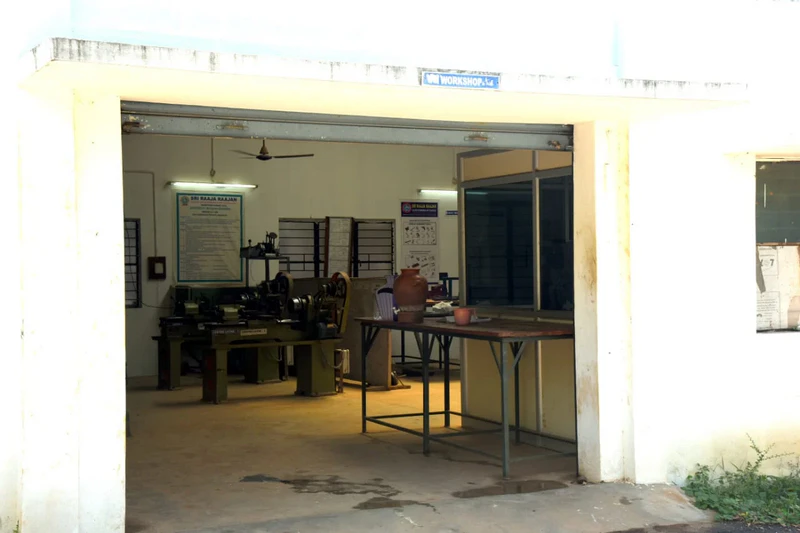
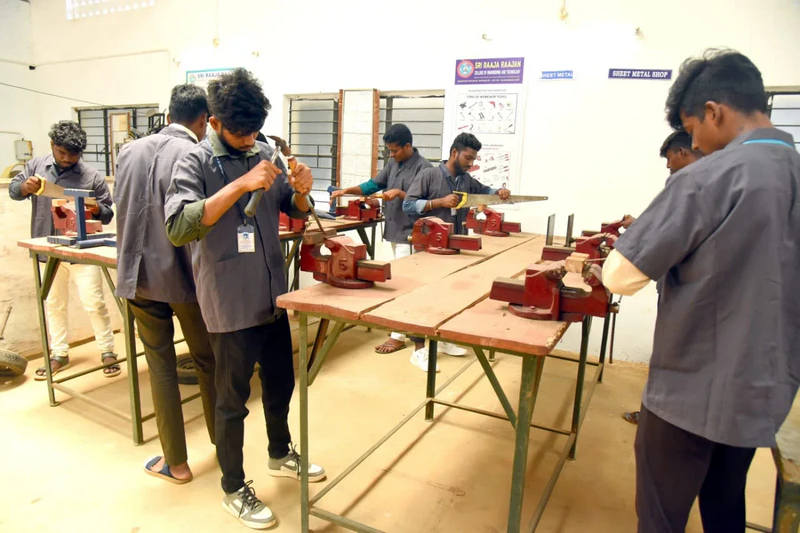
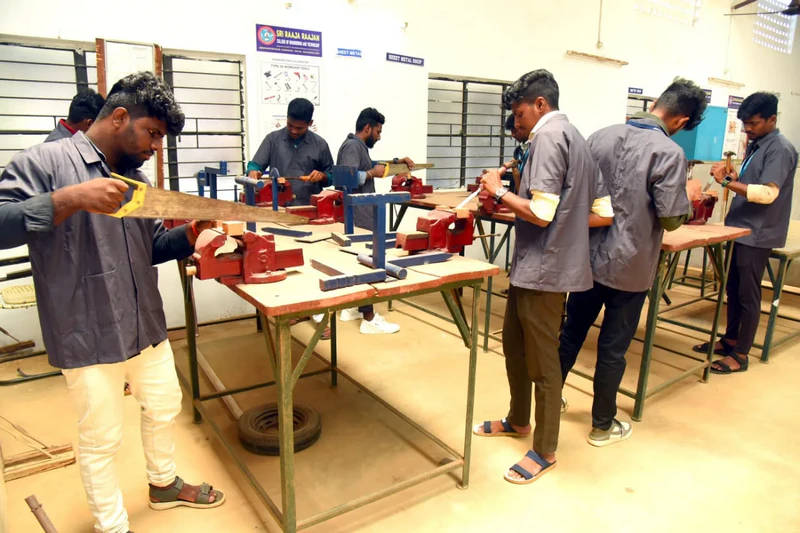
Basic Workshop Laboratory
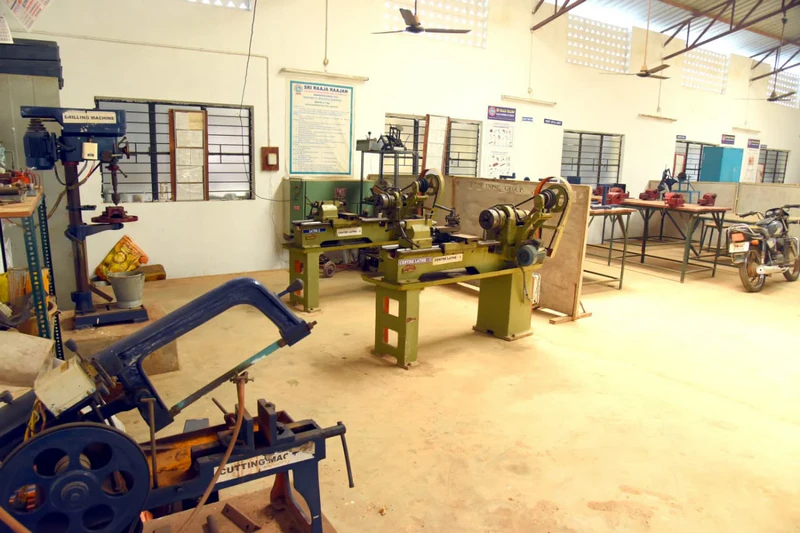
A centralized facility offering hands-on training in fundamental manufacturing processes such as welding, sheet metal work, foundry, carpentry, plumbing, and fitting, familiarizing students with basic tools and equipment.
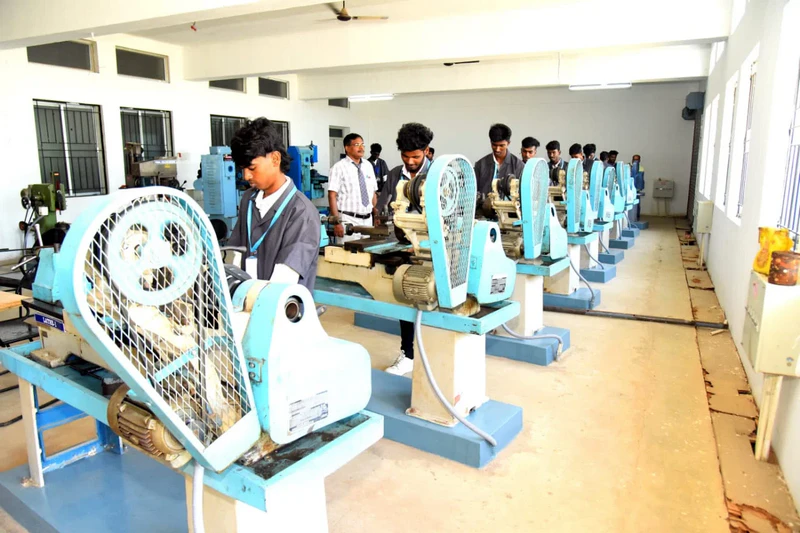
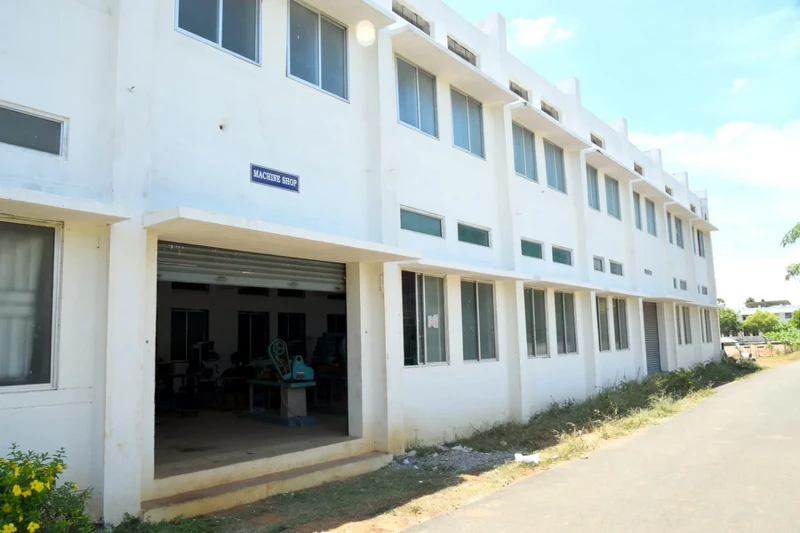
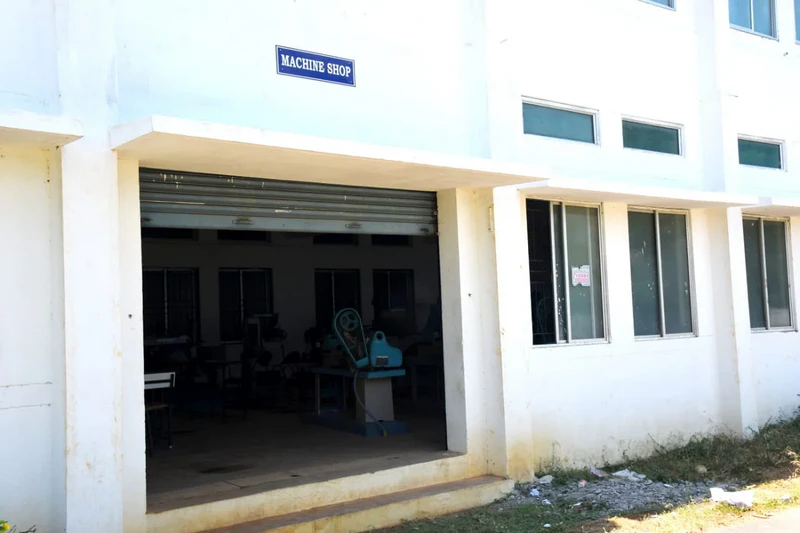
Manufacturing Technology Laboratory
Equipped with various machineries, this laboratory provides students with practical knowledge and hands-on experience related to modern industrial manufacturing processes.
Thermal Engineering Laboratory
Focused on combustion theory and IC engines, this laboratory uses various components, cut-section models, and experimental setups involving different fuel types, cylinder counts, and loading conditions to analyse engine performance.
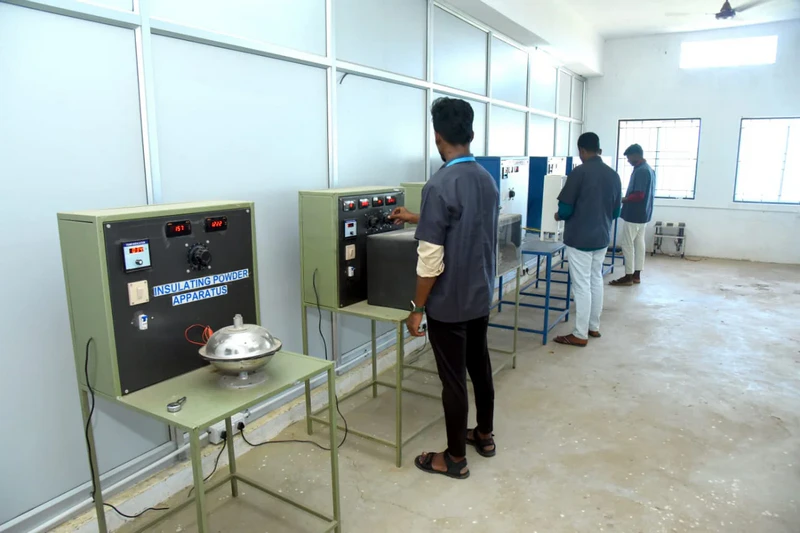
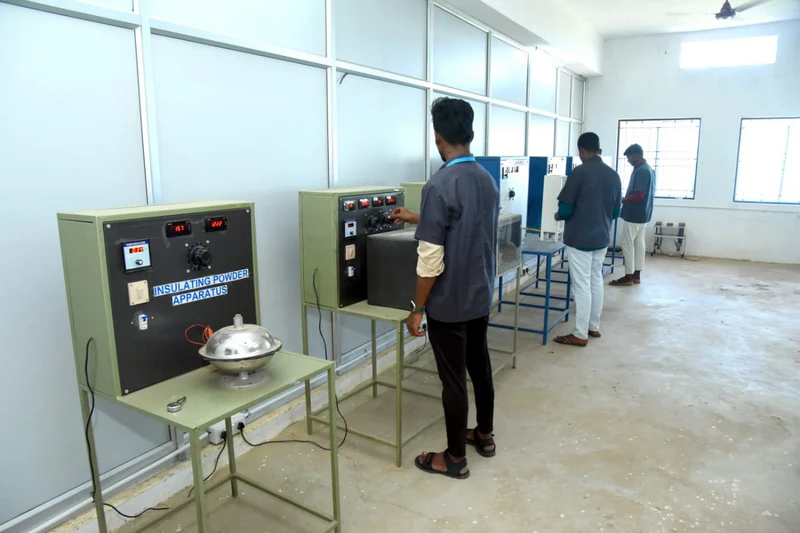
Heat Transfer Laboratory
Facilitates the understanding of the three modes of heat transfer: conduction, convection, and radiation. The laboratory includes equipment such as plate-type and double-pipe heat exchangers and condensation apparatus.
CAD/CAM Laboratory
A central facility with high-end hardware and software for 2D and 3D drafting, modelling, analysis, and simulation. It provides a digitally integrated environment for designing, analysing, and building components.
Metrology Laboratory
This laboratory focuses on units, standards, and measurement methods. It is equipped with digital instruments such as Vernier callipers, micrometres, and profile projectors for hands-on learning of linear, angular, and form measurements to achieve precise tolerances.
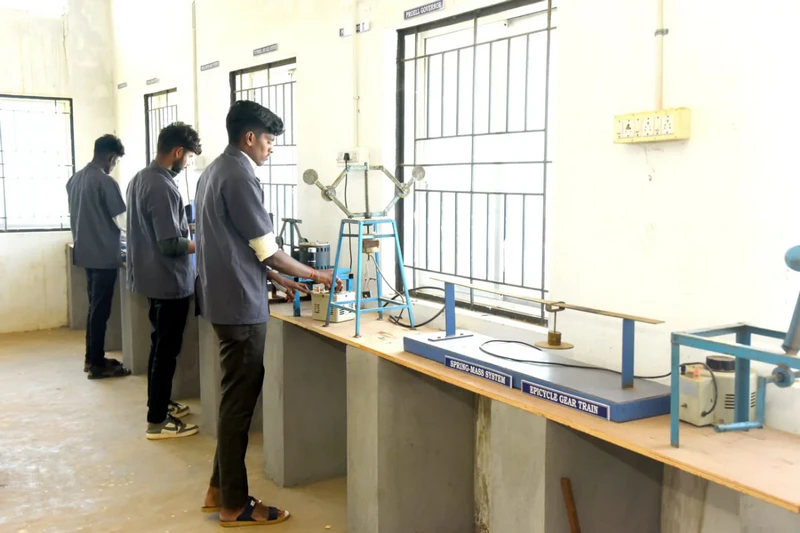
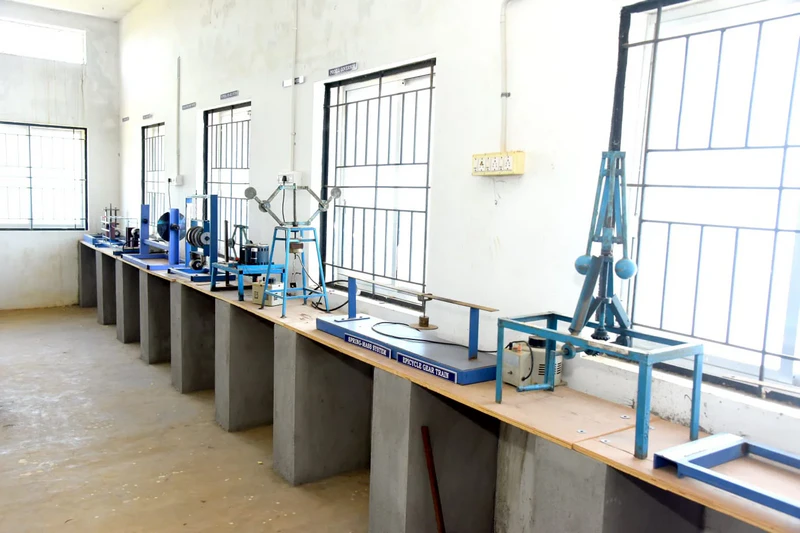
Kinematics and Dynamics Laboratory
Focused on the mechanism and dynamic analysis of mechanical systems, this laboratory features equipment such as governors, gyroscopes, dynamic balancing machines, cam analysers, and torque indicators.
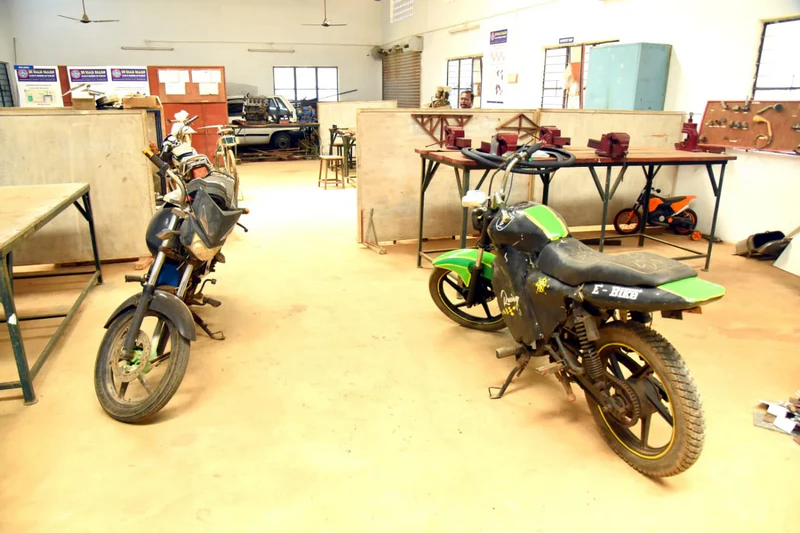
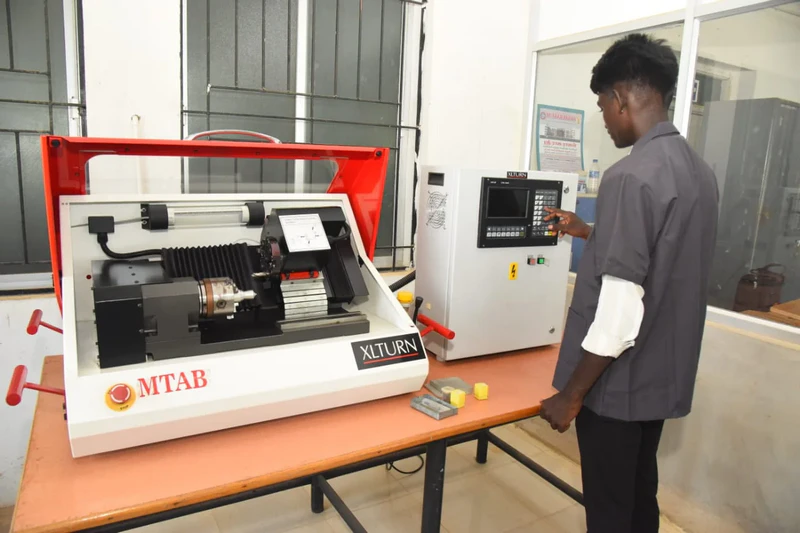
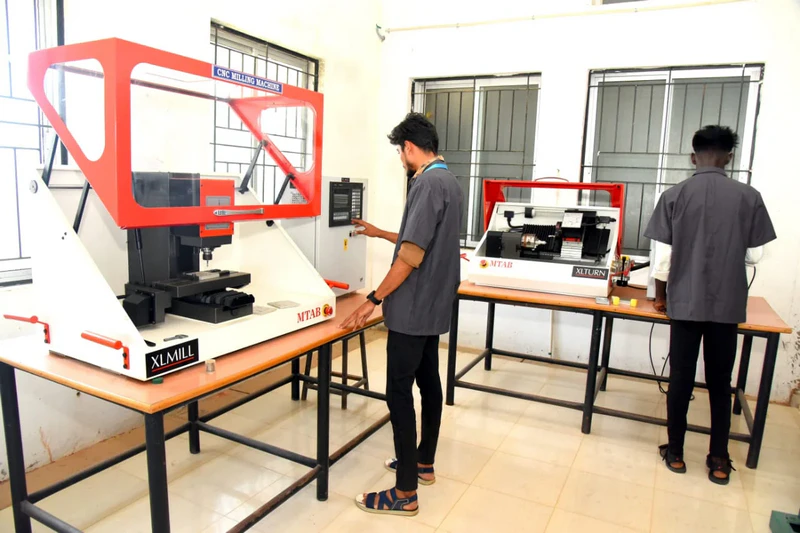
CNC Laboratory
Provides training in modern manufacturing technologies using XLTURN and XLMILL machines with FANUC integrated software. Students learn programming and manufacturing processes through CEP programmes.
Mechatronics Laboratory
A centralized facility that integrates electronic control, hydraulic, and pneumatic components with PLCs, providing knowledge and practical experience in programming for industrial automation.
Machine Drawing Laboratory
A digitally integrated environment allowing students and faculty to work with 2D and 3D drafting and modelling packages to design, analyse, and draft components.
Industrial Visits
To provide Industrial exposure to students, Industrial visits are arranged by the Department of Mechanical Engineering. Students are able to learn how the topics they study are applied in industries. The industrial visits also help the students in their placement opportunities.
- West Coast Paper Mills Ltd, Mangalore (20/09/2025 - 23/09/2025)
- Techno Park, Trivandrum, Vagamon & Wonderla (14th - 16th October 2024) View Report
- Tusker Rubber Products, Karaikudi for II and III year students on 09.07.2017.
- KaderiAmbal Cotton Mills Pvt. Ltd, Aravayal for the IV year students on 09.02.2018.
- Power Plant Piping Unit, BHEL, Thirumayam for II, III and IV year students on 06.09.2019 and 09.03.2022.
Also as part of curriculum, students are sent to various Industries like BHEL, Wheels India, TNSTC, CECRI, etc. for carrying out Internship / In-plant Training.
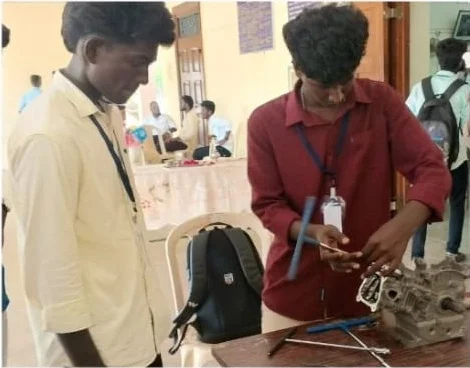
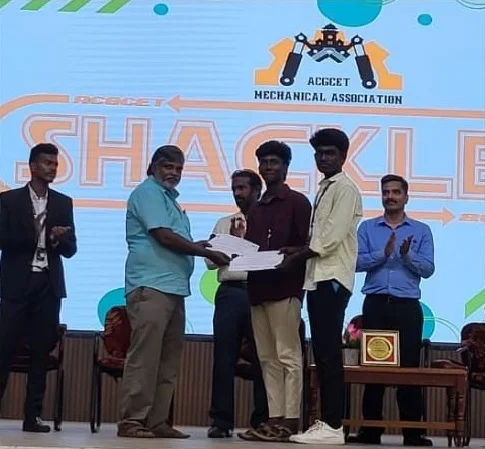
- Jaya Pranesh and Sakthi Kumar won Runner-up in Engine Assembly and Disassembly held at Alagappa Chettiar Government College of Engineering and Technology, Karaikudi, on 27-03-2025.
- Jegaspathi and R. Priyadharshini won 2nd place in the Quiz Competition held at Shanmuganathan College of Engineering and Technology, Pudukkottai, on 07-09-2019.
- S. Vinith Kumar and Jegan won 1st place for their Paper Presentation at Chenduran College of Engineering and Technology, Pudukkottai, on 15-02-2019.
- Dr. K. Senthamarai, Professor & Dean of Mechanical Engineering presented a paper titled "Analysis of Shell and Tube Heat Exchanger with Different Tube Layout Using ANSYS" in 2024.
- Dr. K. Senthamarai, Professor & Dean of Mechanical Engineering presented a paper titled "Design and Fabrication of Moving Robotic Arm Control Using Android Application" in the International Journal of Creative Research Thoughts in 2024.
- Dr. A. Andrew, HOD / Mechanical was granted a patent for the invention entitled "Development of an Apparatus and Device for Enriching Calorific Value of Producer Gas by LPG, CNG and LNG" in 2011.
- Dr. K. Senthamarai, Professor & Dean of Mechanical Engineering was granted a patent for "Development of New Clone Cloud Framework and Adaptive Scheduling Design for Efficient Offloading in Vehicular Clouds" in 2022.
- Dr. A. Andrew, HOD / Mechanical presented a paper titled "Maintenance Strategies Selection Using Fuzzy FMEA and Integer Programming" at the International Conference on Advances in Production and Industrial Engineering at NIT, Trichy.
- Dr. A. Andrew, HOD / Mechanical published a paper titled "Development of an Intelligent Decision Making Tool for Maintenance Planning Using Fuzzy Logic and Dynamic Scheduling" in the International Journal of Information Technology, Springer, March 2020, 12(1), pp. 27–36.
- Dr. K. Senthamarai, Professor & Dean of Mechanical Engineering published a paper titled "Performance Studies of Process Parameters on Friction Stir Processed AA5052 by Grey Analysis" in Advances in Processing of Lightweight Metal Alloys and Composites, March 2023, pp. 259–280.
- Dr. K. Senthamarai, Professor & Dean of Mechanical Engineering published a paper titled "Investigations on the Wire EDM Characteristics of Al Matrix Composite Using TOPSIS Method" in Materials Today: Proceedings, December 2022.
- Dr. K. Senthamarai, Professor & Dean of Mechanical Engineering published a paper titled "Effect of Process Parameters on Machining Behaviour Using S/N Ratio and ANOVA Analysis" in Materials Today: Proceedings, December 2022.
- Dr. K. Senthamarai, Professor & Dean of Mechanical Engineering published a paper titled "Experimental Investigation on Microstructural and Mechanical Behaviour of Stir Cast Metal Matrix Composite AA6061 with MWCNT" in the International Journal of Advanced Engineering Technology, April–June 2016, pp. 1115–1117.
- Dr. K. Senthamarai, Professor & Dean of Mechanical Engineering published a paper titled "Optimization of Process Parameters for Electro Discharge Machining on Aluminium with Carbon Nano Tube" in the International Journal of Advanced Engineering Technology, January–March 2016, pp. 721–725.
- Dr. K. Senthamarai, Professor & Dean of Mechanical Engineering published a paper titled "Finite Element Simulation in Machining of Inconel 718 Nickel-Based Super Alloy" in the International Journal of Advanced Engineering Applications, 2021, pp. 22–27.
- Dr. K. Senthamarai, Professor & Dean of Mechanical Engineering published a paper titled "Self Power Generation Using Gravity Wheel" in the Journal of Emerging Technologies and Innovative Research, April 2020, pp. 122–125.
- Mr. P. Saran Kumar attended the Faculty Development Programme (FDP) on "Advanced Manufacturing Processes" organized by Alagappa Chettiar Government College of Engineering and Technology, Karaikudi.
- Mr. P. Saran Kumar presented a paper entitled "Evaluation of Optimum Turning Process Parameters of AA6061-T651 Using Taguchi Method" at an international conference organized by St. Michael College of Engineering and Technology, Kalaiyarkovil.
- Mr. P. Saran Kumar presented a paper entitled "Evaluated the Accuracy of EDM Machining in SS-316 Material by Varying the Standard Parameters" at a national conference organized by Kalasalingam University, Krishnankoil.
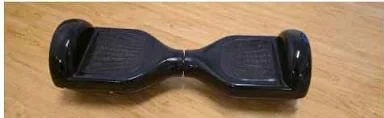
Two-Wheeled Self-Balancing Hoverboard
The project involves the design, fabrication, and testing of a two-wheeled self-balancing hoverboard capable of carrying a single rider and maintaining stability using a combination of mechanical and electronic systems. The hoverboard is designed with a lightweight yet strong frame, efficient hub motors, and a sensor-based control system to achieve smooth and safe transportation.
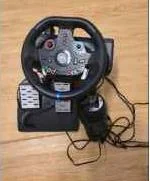
Driving Testing Model
The project involves a Driving Testing Model, which is a scaled-down experimental setup designed by Mechanical Engineering students to demonstrate and analyse the working principles of a vehicle's driving system. This project integrates power generation, transmission, and wheel movement into a compact and functional model, enabling the study of torque transmission, gear ratios, and speed control.
Solar-Powered Grass Cutting Machine
The project involves developing an eco-friendly and cost-effective grass-cutting machine powered by solar energy. The primary aim is to reduce dependency on fossil fuels and minimize environmental pollution.
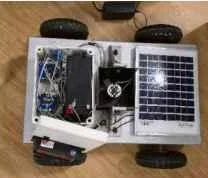
Innovative E-Bike Project
Mahadir Mohamed, Periya Maruthu Pandian, Lakshmanan, and Gopala Krishnan developed a low-cost E-bike as their final-year project, with a cost of approximately Rs. 35,000 and a travelling range of 90 km at an estimated cost of 7 paise per kilometre. The E-bike was greatly appreciated and funded by the management.
Dr. Manisankar, Vice-Chancellor of Bharathidasan University, appreciated the students for their innovative approach in developing the E-bike. Actor and Director Mr. Thambi Ramiah, Mr. Senthil, Ms. Rajalakshmi, Airtel Super Singer title winners, and several other famous personalities enjoyed riding the bike during their visits to the college.
Other Remarkable Student Projects
- Impact of Turbocharger on SI Engines
- Easy Lift Chair for Elderly Persons
- Wave Power Generator
- Design and Structural Analysis of Go-Kart Vehicle
- Design and Implementation of Inbuilt Hydraulic Jack for SUVs
- Digital Oil Level Indicator
- Natural Fibre-Reinforced Composite for the Application of Writing Tables
- Impact of Partially Stabilized Zirconia Coating on Piston Crowns
- Fire Fighting Robot
Robotics and Automation Laboratory
Mechanical Engineering students, driven by a strong desire to learn, developed the idea of establishing a Robotics and Automation Laboratory. This laboratory incorporates advanced technologies such as IoT-controlled equipment, microprocessor-controlled equipment, a 3D printer, and many other facilities.
A large group of students, under the supervision of the Mechanical Engineering faculty, participated in the design and development of the laboratory. It focuses on training students in automation, from basic concepts to advanced applications using modern technologies. The laboratory is also supported by backup power generated using solar energy.
Final-year student Mr. Arunakanth and his team successfully completed this project. The laboratory is highly useful for nurturing the skills of upcoming engineers.
| S.No | Student Name | Department | Year | Rank |
|---|---|---|---|---|
| 1 | S.MATHIRAJAN | B.E.Mechanical Engineering | 2010-2014 | 4th |
| 2 | T.VIJAYA SHARATHI | B.E.Mechanical Engineering | 2010-2014 | 34th |
| 3 | M.NAGARAJAN | M.E.Manufacturing Engineering | 2013-2015 | 2nd |
| 4 | G.GUBERAN MUTHU | M.E.Manufacturing Engineering | 2013-2015 | 11th |
| 5 | L.SETHU RAMAN | M.E.Manufacturing Engineering | 2016-2018 | 3rd |
Supporting Staff
| S.No | Staff Name | Designation | Qualification |
|---|---|---|---|
| 1 | K.NAGENDRAN | Lab Assistant | ITI |
| 2 | R.ATHISESHAN | Lab Assistant | B.E |
| 3 | P.UDHAYA KUMAR | Lab Assistant | B.E |
| 4 | A.ASHWIN PRAKASH | Lab Assistant | B.E |
Our UG Faculty
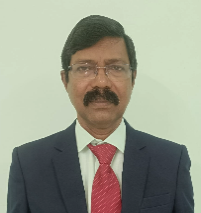
Dr. ANDREW A
ProfessorAU-FIN: 2672921963
AICTE ID: 1-43846322754
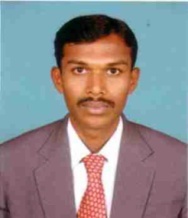
KARTHIKEYAN AL
Assistant ProfessorAU-FIN: 2657101981
AICTE ID: 1-44723891563
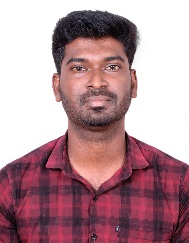
MAHESH R
Assistant ProfessorAU-FIN: 2620251996
AICTE ID: 1-4229699004
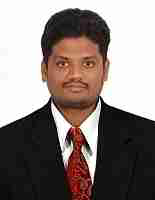
SARANKUMAR P
Assistant ProfessorAU-FIN: 2619241990
AICTE ID: 1-3551366412
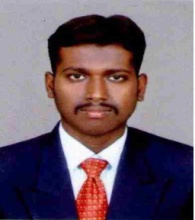
SIVARAMAN D
Assistant ProfessorAU-FIN: 2680051986
AICTE ID: 1-7408103597
THIRUVASAGAM
Assistant ProfessorAU-FIN: 2615711992
AICTE ID: 1-7993849972
Our PG Faculty
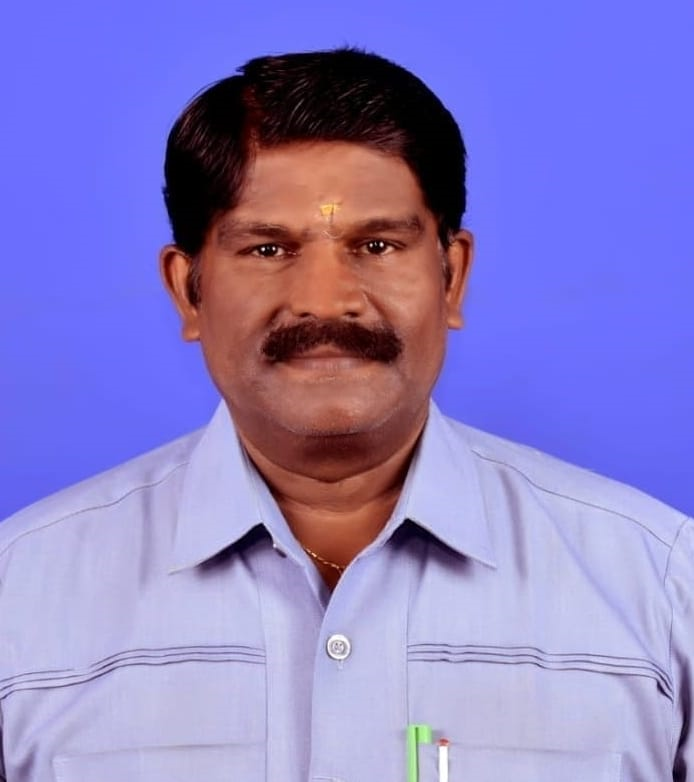
Dr. K. VELMANIRAJAN
Associate ProfessorAU-FIN: 2643041971
AICTE ID: 1-42884443212
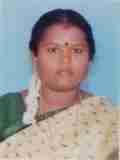
Dr. K. SENTHAMARAI
Associate ProfessorAU-FIN: 2668291974
AICTE ID: 1-11123755121
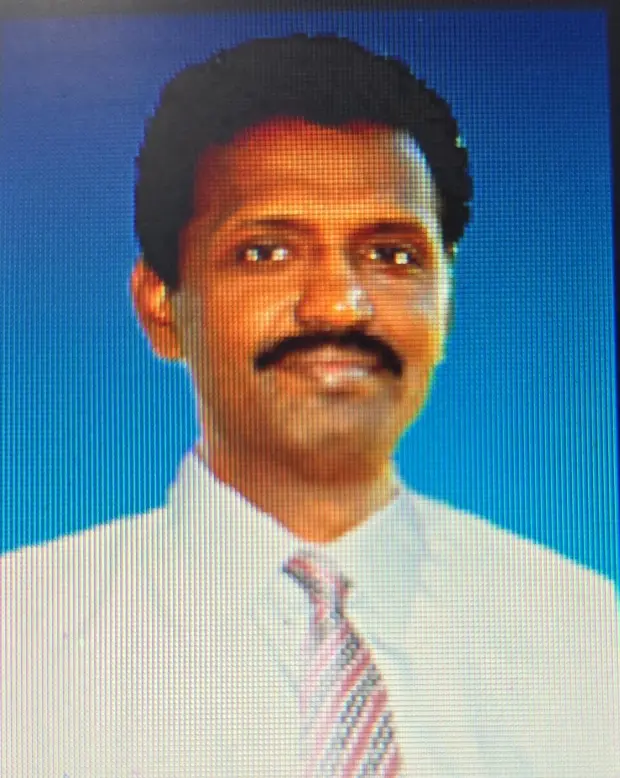
TAMIL SELVAN
Assistant ProfessorAU-FIN: 2651441974
AICTE ID: 1-11334353758