Electrical and Electronics Engineering
Inculcating the right mix of knowledge, attitudes and character in students; enabling them to take up positions of responsibility in the field of Electrical and Electronics Engineering.
Course Features
Department Highlights
To inculcate the right mix of knowledge, attitudes and character in students; to enable them take up positions of responsibility in the field of Electrical and Electronics Engineering.
- To produce engineers who can participate in technical advancement and social enlistment of the country and to meet the growing global challenges.
- To prosper in academic activities by continual improvement in teaching methods, laboratory facilities and research activities.
- To enrich knowledge and encourage the students to become entrepreneurs.
Electrical and Electronics Engineering
Electrical and Electronics Engineering is a field of engineering that generally deals with the study and application of electricity, electrical machines, electronics, and electromagnetism.
Academic Environment
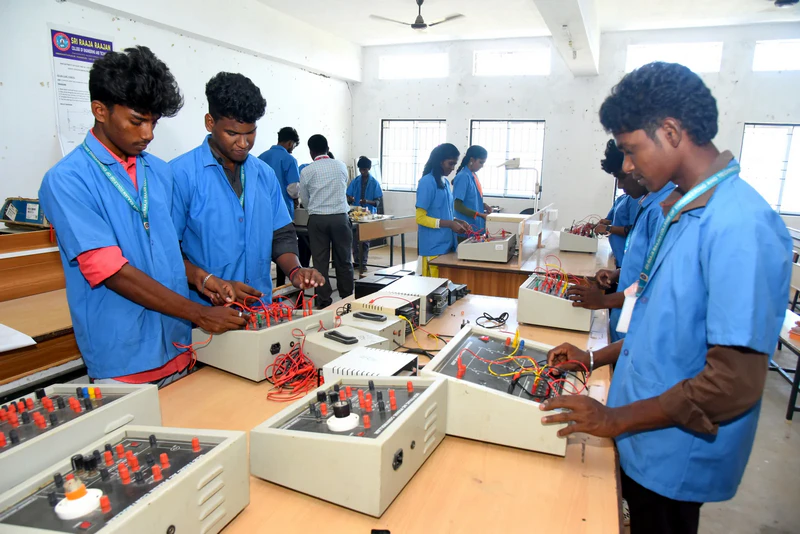
The Department was established in the year 2010 with an objective to develop professionals through quality education with an intake of 60 students. The Department has good infrastructure facilities and is equipped with full-fledged laboratories such as Basic Electrical Lab, Electrical Machines Lab I & Electrical Machines Lab II, Power Electronics Lab; Power System Simulation Lab etc.
The Department maintains high quality of teaching and learning process with the help of well qualified faculty members. Good exposure is given to all the students to update their practical knowledge with the help of technically strong instructors.
B.E. Electrical and Electronics Engineering
The Department offers B.E. Degree in Electrical and Electronics Engineering affiliated to Anna University and approved by AICTE.
Electrical Engineering students will come out with ability and knowledge to perform following parameters:
- Ability to apply knowledge of mathematics, science, and engineering.
- Ability to design and conduct experiments, as well as to analyze and interpret data.
- Ability to running a system, machines, component, or process to meet desired needs within realistic constraints.
- Ability to function on multidisciplinary teams.
- Capacity to identify, formulates, and solves engineering problems.
- An understanding of professional and ethical responsibility.
- The broad education necessary to understand the impact of engineering solutions in a global, economic, environmental, and societal context.
The graduates will be able to:
- Demonstrate basic knowledge in mathematics, science and engineering.
- Analyze electrical and electronic circuits and systems.
- Model, design and evaluate the performance of electrical machines.
- Comprehend the structure of power systems, both conventional and renewable energy.
- Formulate power electronic controllers for industrial drives.
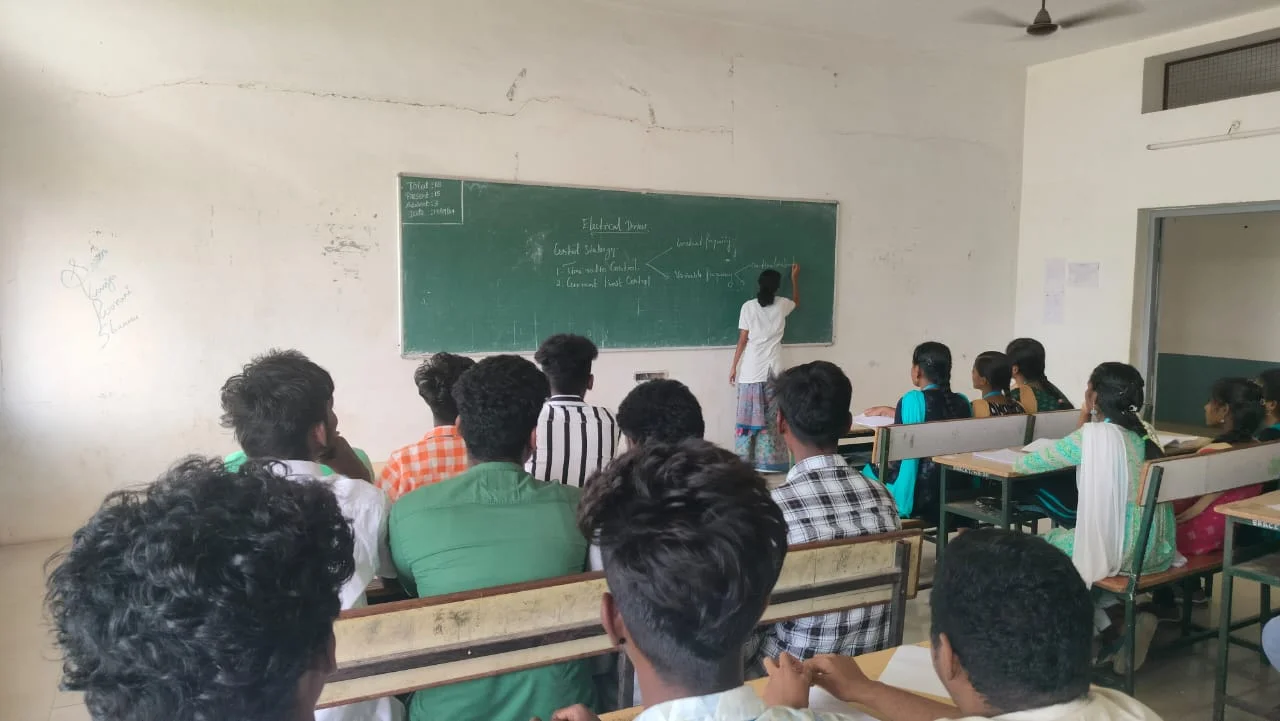
Classrooms
The department provides well-equipped classrooms with a comfortable learning environment to support effective teaching, interactive learning, and the academic development of students.
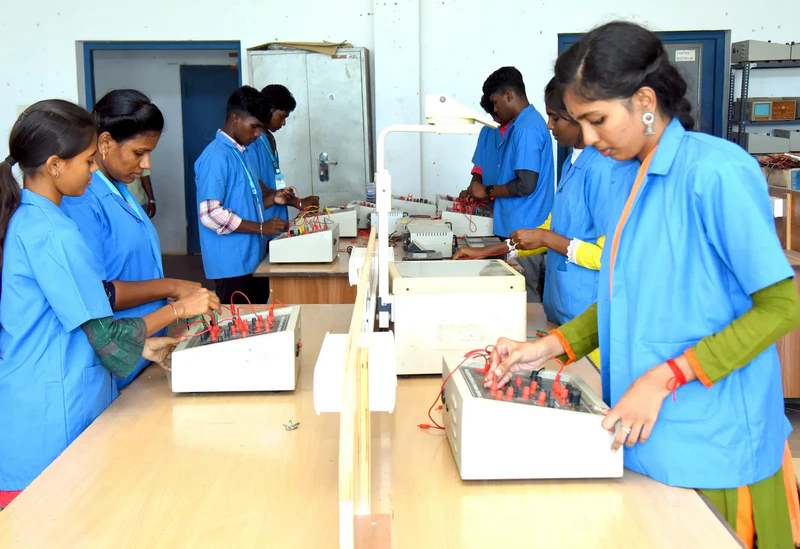
Electrical Machines Laboratory
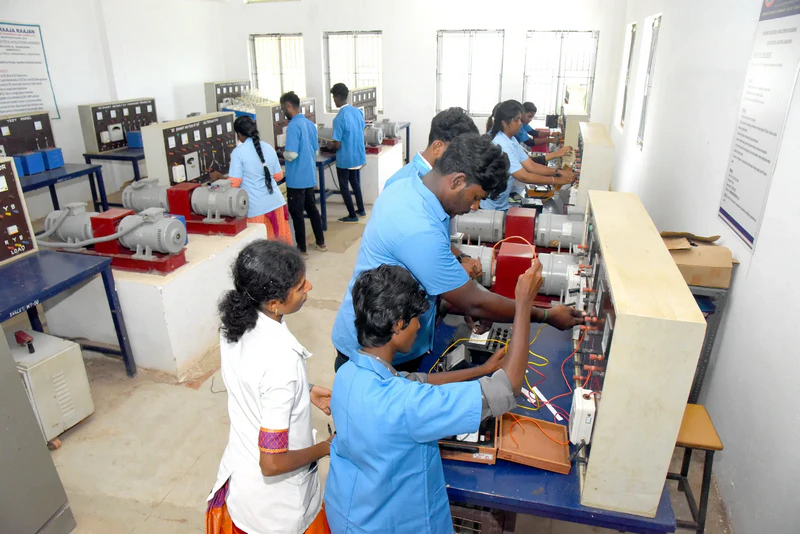
The laboratory provides comprehensive practical knowledge of electrical machines including transformers, DC machines, induction motors and synchronous machines.
Electric Circuits Laboratory
This laboratory provides basic knowledge of electrical circuits, network theorems, and analysis of AC and DC circuits.
Control and Instrumentation Laboratory
This laboratory provides knowledge about control systems, transducers, and measurement techniques used in electrical engineering.
Linear and Digital Integrated Circuits Laboratory
This laboratory provides hands-on experience with linear ICs, digital ICs, and their applications in electronic circuits.
Power System Simulations Laboratory
This laboratory provides simulation tools for analyzing power systems, load flow studies, fault analysis, and stability studies.
Power Electronics and Drives Laboratory
This laboratory provides knowledge about power electronic converters, inverters, choppers, and their applications in industrial drives.
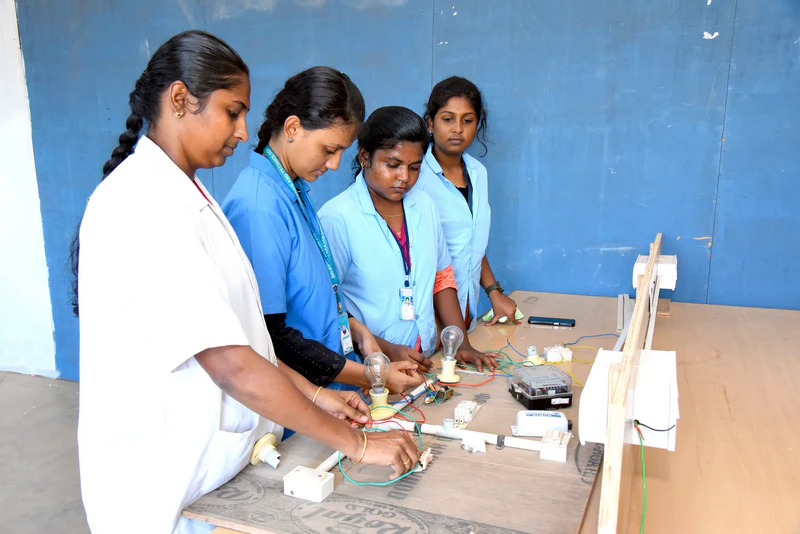
Engineering Practices Laboratory
This laboratory provides essential facilities to learn and implement basic engineering practices including wiring, soldering, and component identification.
Microprocessor and Microcontroller Laboratory
This laboratory provides practical knowledge of microprocessors, microcontrollers, and their interfacing with peripheral devices.
Electronics Laboratory
This laboratory provides basic knowledge of electronic devices, circuits, and their applications in various electronic systems.
Journal Publications
- N.Rajeswari 1, Dr. S. Venkatanarayanan 2 and R. Karpaga Priya 3, et al. "Optimum LOCATION OF DISTRIBUTED SYSTEM USING SHUFFLED FROG LEAPING ALGORITHM," Asian Journal of Applied Research.
- R. Karpaga Priya 1, Dr. S. Venkatanarayanan 2 and N.Rajeswari 3, et al. "MULTI CONSTRAINT FUZZY BASED WIRELESS SENSOR NODE COMMUNICATION FOR SMART GRID," Asian Journal of Applied Research.
- R. Karpaga Priya 1, Dr. S. Venkatanarayanan 2 and N.Rajeswari 3 "Maximum Power Point Tracking Control Solar Power Generation using Fuzzy Network" was published in INTERNATIONAL JOURNAL OF ADVANCE RESEARCH IN SCIENCE AND ENGINEERING (Volume 06, Special Issue 01, December 2017, Pages 840–849).
Solar Bike
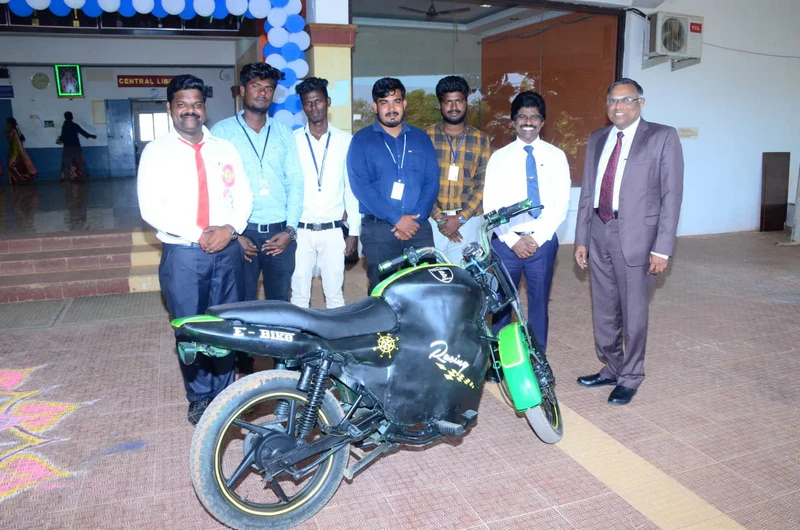
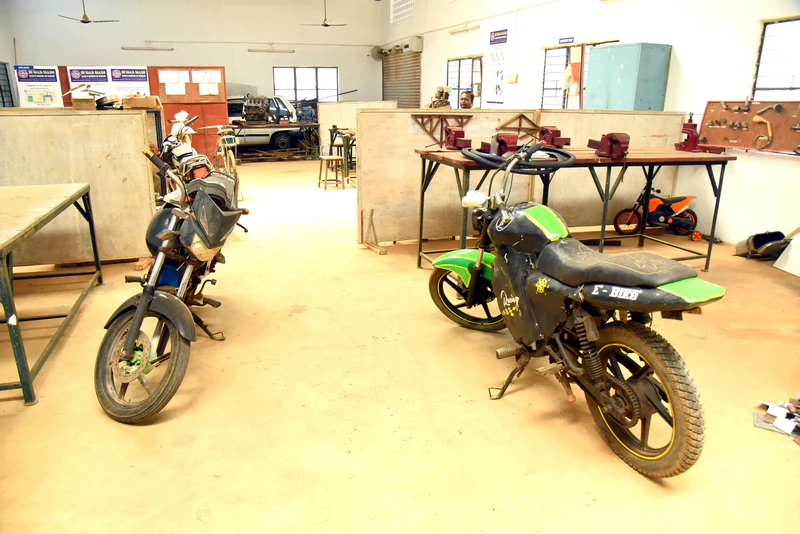
In the academic year 2020-2021, around 10 students undertook a project titled “Solar Bike” utilizing the facilities provided by the centre. This hands-on experience allowed them to apply their theoretical knowledge and gain practical skills in renewable energy technology.
Design of On-Grid 5KW Solar Power System
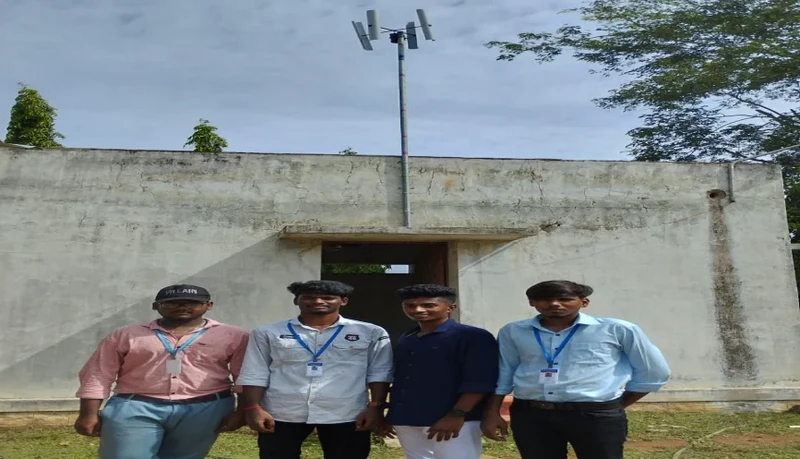
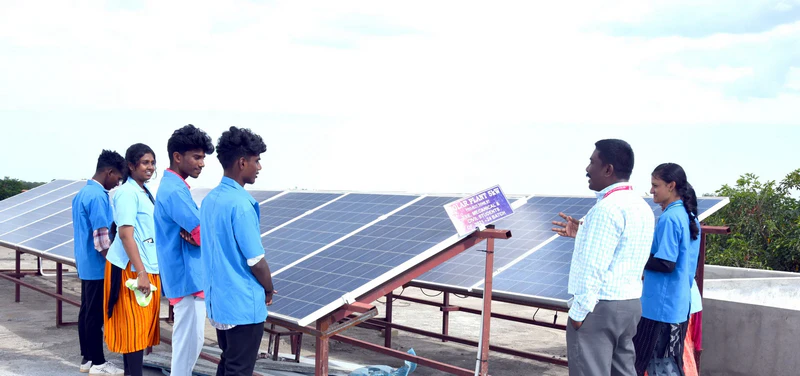
In the academic year 2023-2024, around 10 students undertook a project titled “Design of On-Grid 5KW Solar Power System” utilizing the facilities provided by the centre. This hands-on experience allowed them to apply their theoretical knowledge and gain practical skills in renewable energy technology.
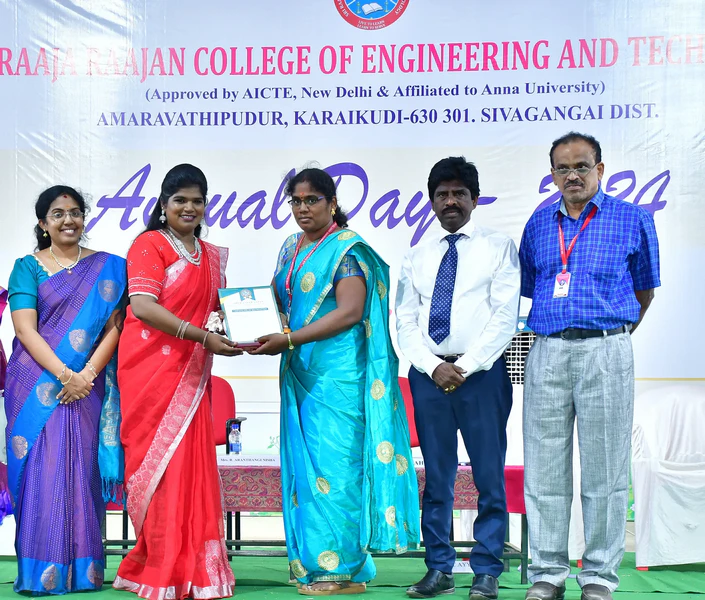
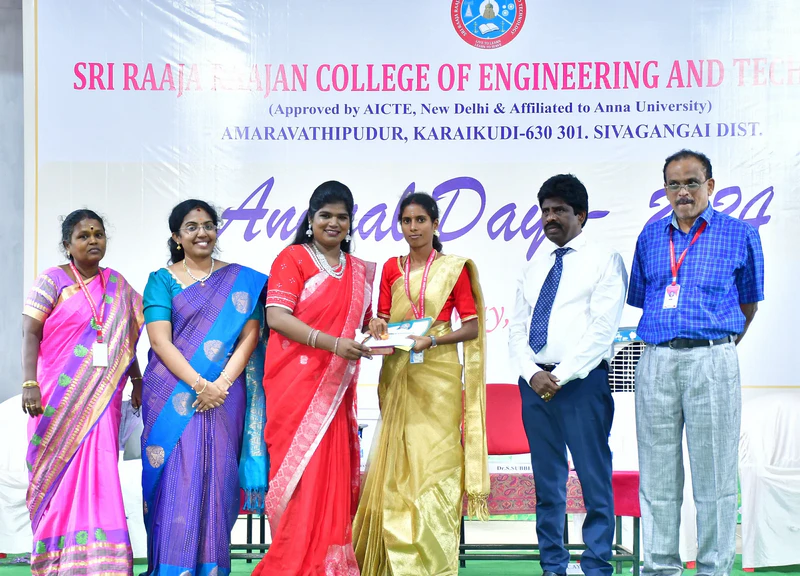
The following Staff Members received "Best Meritorious Award" from the management of "SRI RAAJA RAAJAN COLLEGE OF ENGINEERING AND TECHNOLOGY, KARAIKUDI", for producing good academic results.
| S.No | Academic Year | Faculty Name | Subject Handled |
|---|---|---|---|
| 1 | 2023-2024 | Dr. N. Rajeswari | POWER ELECTRONICS RENEWABLE ENERGY SYSTEM |
| 2 | 2023-2024 | Mrs. P. Sheeba | BIOMEDICAL INSTRUMENTATION |
| 3 | 2023-2024 | Mrs. K. Minnarva Devi | BIOMEDICAL INSTRUMENTATION |
| 4 | 2023-2024 | Mrs. R. Priyanka | ELECTRICAL DRIVES |
CEP (Continuing Education Program)
Continuing Education Programmes help individuals develop their skills in their chosen fields of study. The following courses are conducted for students with certification.
- Short-term course on Electrical Service and Maintenance
- Short-term course on Electrical AutoCAD
- Certificate course on Electrician and Plumber
- Diploma in MEP
| S.No | Industry Visited | Year |
|---|---|---|
| 1 | ISRO (Trivandram) | 2019 |
| 2 | Sethu Baskara Research Foundation | 2019 |
| 3 | Sri Kaderi Ambal Mills Ltd. | 2019 |
| 4 | Kanan Devan Hills Plantations Company Private Limited | 2023-2024 |
| S.No | Staff Name | Designation | Qualification |
|---|---|---|---|
| 1 | Ms.Ajitha M | Adjunct Faculty | B.E. |
| S.No | Student Name | Academic Year |
|---|---|---|
| 1 | A. Vigneshwaran | 2019-2023 |
| 2 | R.Priyanka | 2019-2023 |
| 3 | P.Pragathi | 2019-2023 |
| 4 | M.Sivasangari | 2021-2024 |
| 5 | AA.Karthikeyan | 2021-2024 |
Our Faculty
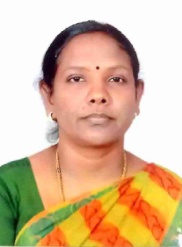
Dr. RAJESWARI N
Associate ProfessorAU-FIN: 2686801984
AICTE ID: 1-1575645278
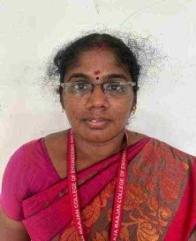
SHEEBA P
Assistant ProfessorAU-FIN: 2632661985
AICTE ID: 1-11322899018
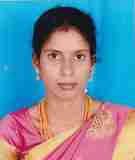
PRIYANKA R
Assistant ProfessorAU-FIN: 2636211994
AICTE ID: 1-44723891959

RAMPRIYA K
Assistant ProfessorAU-FIN: 2696581993
AICTE ID: 1-47948767582