.png)
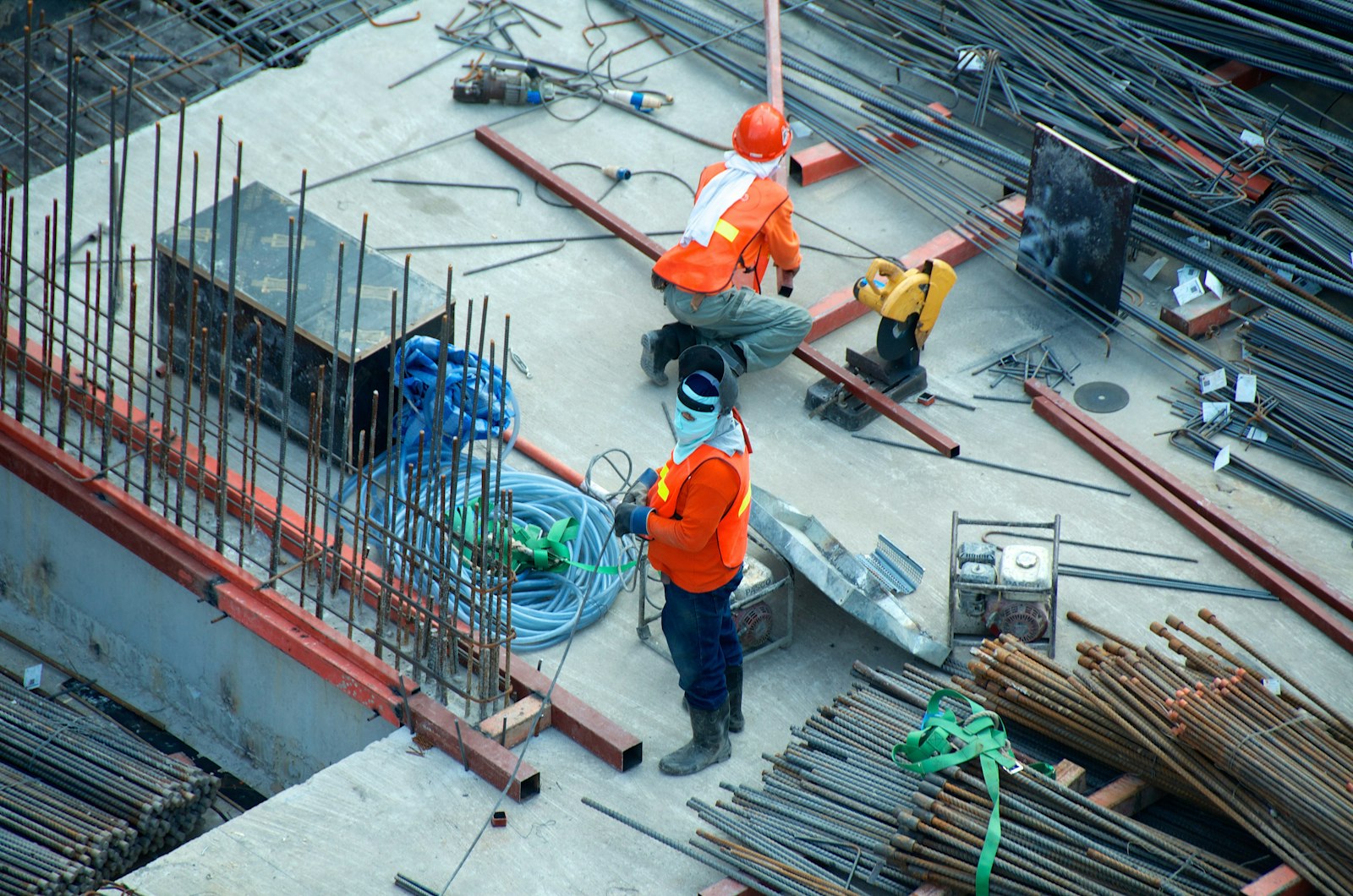
The Civil Engineering department provides knowledge in structural engineering, geotechnical engineering, environmental engineering, transportation engineering, and construction management. Practical labs and field visits ensure experiential learning.
Students learn to design, build, and maintain infrastructure through hands-on surveying, material testing, and structural analysis. The autonomous curriculum emphasizes green building, sustainable construction, and modern design software.
Serving as a beacon of higher learning, with the mission of uplifting the community by providing education, and through striving for continuous improvement, this institution intends to promote educational inclusion among a broad spectrum of unreached rural youths by functioning as a Centre of Excellence.
To prosper in academic activities by continual improvement in teaching methods, laboratory facilities and research activities.To enrich knowledge and encourage the students to become entrepreneurs.To produce engineers who can participate in technical advancement and social enlistment of the country and to meet the growing global changes.
Graduates of the Civil Engineering Program will achieve.To prepare students for successful careers in the field of Civil Engineering field that meets the needs of Indian and multinational companies.
To develop the confidence and ability among students to synthesize data and technical concepts and apply it to real world problems.
To teach students to use modern techniques, skill and mathematical engineering tools for solving problems in Civil Engineering.
To provide students with a sound foundation in mathematical, scientific and engineering fundamentals necessary to formulate, solve and analyze engineering problems and to prepare them for higher education.
To promote students to work collaboratively on multi-disciplinary projects and make them engage in life-long learning process throughout their professional life.
On completion of the B.E (Civil engineering) Degree the graduates will have the Ability to apply knowledge of mathematics, science, and engineering.
Ability to design a system, component, or process to meet desired needs within realistic constraints such as economic, environmental, social, political, ethical, health and safety, manufacturability, and sustainability
Ability to function on multidisciplinary teams
Ability to function on multidisciplinary teams
Ability to identify, formulate, and solve engineering problems.
Ability to communicate effectively.
Design structural systems and foundations using analytical and computational tools like STAAD Pro.
Apply environmental and geotechnical engineering principles for sustainable infrastructure projects.
Demonstrate competence in construction management, surveying, and modern building technologies.

Appreciate the need for accurate and thorough note taking in field work to serve as a legal record. Gain the ability to use modern survey equipment to measure angles and distances. The laboratory provides essential surveying equipment for the use of bachelor degree students to make them familiar with practical surveying techniques in the construction field.

Strength of materials lab is to demonstrate the basic principles in the area of strength and mechanics of materials and structural analysis to undergraduate students through a series of experiments. The students are also introduced to the data acquisition systems (Strain gauges and dial gauges etc) used in experimental study.

Lab allows the use of software for the preparation of drawings for different engineering works and their design.

The students will be able to infer the suitability of the materials for construction. They can design the mix, make the specimens and test it. This laboratory course will help the students to understand the theoretical concepts learned in the course building materials.
Dedicated and qualified faculty with academic and industry experience
Faculty names and detailed profiles will be updated. Contact the department for current staff information.
Civil students are trained in AutoCAD, STAAD Pro, and site management. Placement Cell connects graduates with construction, infrastructure, and consulting firms.
Site visit to National Highway expansion project
Green Building Design workshop and poster presentation
Concrete mix design competition at inter-college level
Academic collaborations with industry partners for internships, projects, and knowledge transfer. View all MoUs →

60 seats — Build sustainable infrastructure for tomorrow.